
Seven cases where you should buy from someone else: functional safety, guaranteed determinism, IEC 61131-3 specs,...
Latest posts
-
 When NOT to use a GEVINORead more
 -
 Da Ladder e testo strutturato a GEVINO con l'aiuto dell'IA: costi ricorrenti a confronto, cosa si converte davvero, cosa non si converte, e la sequenza di migrazione a rischio più basso.Read more
The logic of a small machine fits on one printed page and has not changed in ten years. The bill of materials changes...
-
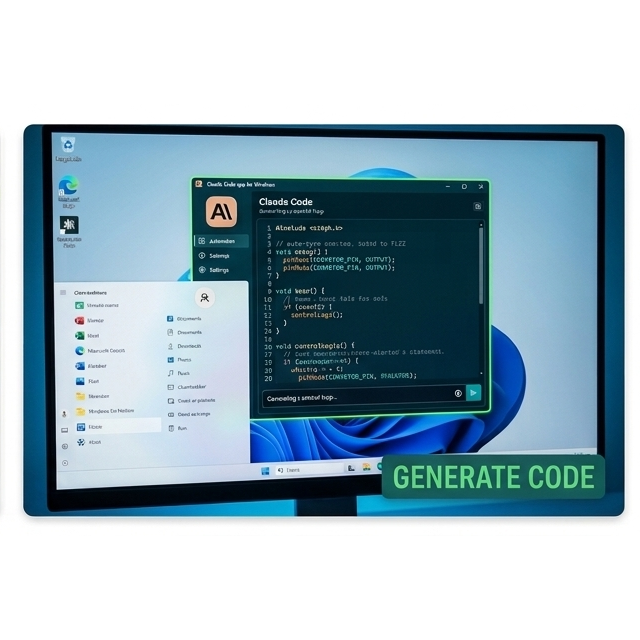 Alarm Handling and I/O Monitoring: PLC Safety Logic Without Writing a Line of CodeRead more
"Artificial intelligence only writes toy examples": it is the most common objection, and it is fair. So we gave it...
-
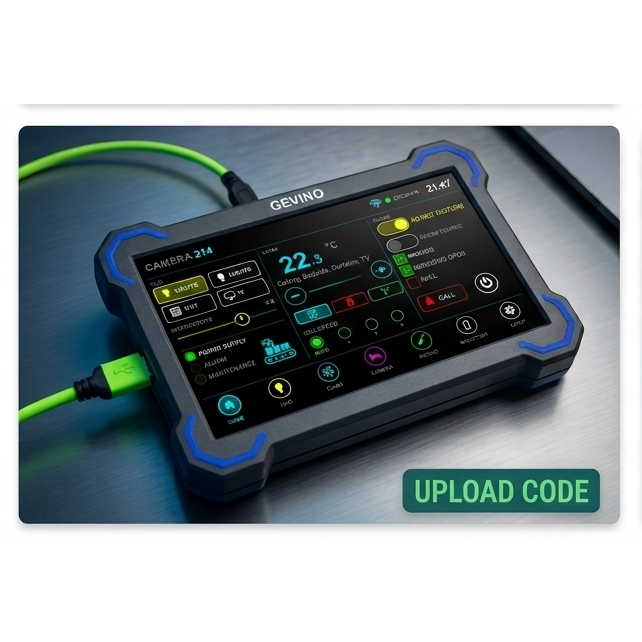 Industrial Retrofitting and Modbus RS485: Get Old Machines Onto the Network Without Losing Your MindRead more
There is a press from 1998 in the corner of the shop floor: it works perfectly and has no idea what Industry 4.0 is....
-
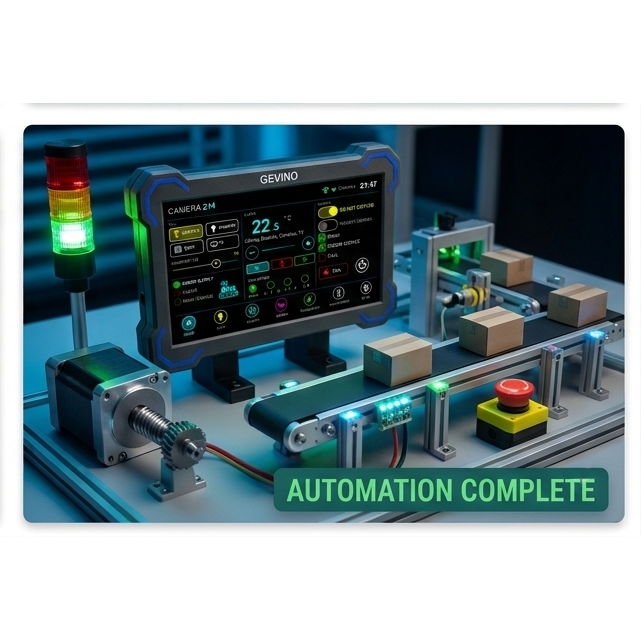 From Idea to PLC Code in 2 Minutes: AI Writes a Conveyor Belt's Control LogicRead more
A photocell, a belt, a red lamp. Until recently, turning that description into a working program took a skilled...
-
 Arduino Is Not Industrial? Let's Clear Up the MisconceptionsRead more
Many engineers believe Arduino is suitable only for hobby projects. In reality, industrial reliability depends on...
-
 How to Program a PLC with Artificial Intelligence in 2026Read more
Discover how Artificial Intelligence is transforming PLC programming. Learn how ChatGPT, Claude Code, and...
-
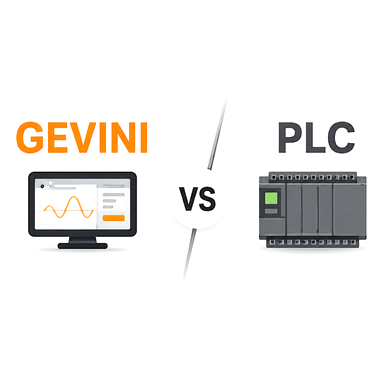 Why Choose GEVINO Instead of a Traditional PLC?Read more
GEVINO challenges traditional PLCs with lower costs, no software licenses, AI-assisted programming, and maximum...
Blog categories
Search in blog
Archived posts
Arduino Is Not Industrial? Let's Clear Up the Misconceptions
One of the most common objections to Arduino-compatible PLCs is:
"Arduino is fine for hobby projects and prototypes, but not for industrial applications."
This belief is widespread. Sometimes it is justified, but in many cases it comes from a misunderstanding: confusing the Arduino software ecosystem with the hardware platforms used to run industrial applications.
Is Arduino a Programming Platform or a Hardware Board?
When people talk about Arduino, they often mix two very different concepts:
-
The Arduino development ecosystem
-
Arduino boards designed for education and makers
The Arduino environment is simply a development framework based on C/C++.
The same software can run on a low-cost development board or on a controller specifically designed for industrial environments.
Saying that Arduino is not industrial is similar to saying that the C programming language is not industrial because it is taught in schools.
Industrial Products Also Use Microcontrollers
Many industrial devices use processors and microcontrollers very similar to those found in Arduino-compatible platforms.
Industrial sensors, access control systems, measurement instruments, motor controllers, and even many commercial PLCs are based on ARM, STM32, NXP, Microchip, or Atmel microcontrollers.
The processor itself is rarely the issue.
What matters is the hardware design around it.
What Makes a Controller Industrial?
A controller is not industrial because of the software used to program it.
It becomes industrial because of its design characteristics:
-
Robust power supply design
-
Electrical noise protection
-
Galvanic isolation
-
Hardware watchdog systems
-
Fault detection and recovery
-
Long-term reliability
-
Technical documentation and support
-
Suitable operating temperature ranges
These characteristics depend on the product design, not on whether the firmware was developed using Arduino IDE.
Why We Use Arduino in GEVINO Controllers
The choice of Arduino is not about reducing costs.
It is about leveraging one of the most widely documented and supported development ecosystems in the world.
The advantages are significant:
-
Faster learning curve
-
Thousands of available libraries
-
Large developer community
-
Extensive documentation
-
Easy integration with AI development tools
-
No recurring software license fees
This allows engineers and companies to reduce development time while maintaining flexibility and control.
Reliability Depends on Engineering
In real-world industrial applications, reliability depends primarily on:
-
Hardware quality
-
Electrical design
-
Software architecture
-
Error handling
-
Testing procedures
-
Maintenance practices
Not on the name of the development framework.
Poorly written software running on an expensive PLC remains poorly written software.
Well-designed software running on a properly engineered industrial controller remains reliable regardless of whether it was developed using Arduino.
Arduino and Artificial Intelligence
One increasingly important advantage of Arduino-compatible platforms is their compatibility with modern AI development tools.
ChatGPT, Claude Code, and GitHub Copilot have extensive knowledge of the Arduino ecosystem because of the enormous amount of publicly available documentation.
This makes it possible to:
-
Generate code faster
-
Troubleshoot problems more efficiently
-
Add new features rapidly
-
Build prototypes in less time
-
Simplify software maintenance
These benefits are often difficult to achieve with closed proprietary environments.
When a Traditional PLC Is the Better Choice
Traditional PLCs remain the best solution for many applications.
For example:
-
Facilities already standardized on a specific PLC platform
-
Industries with strict regulatory requirements
-
Organizations with large existing investments in proprietary ecosystems
The goal is not to replace every traditional PLC.
The goal is to provide an open, flexible, and modern alternative for projects where customization, rapid development, and technological freedom are important.
The Open Ecosystem Advantage
One of the greatest strengths of Arduino-compatible industrial controllers is independence.
Users are not locked into a single vendor, a specific programming environment, or expensive software licenses.
Developers can choose the tools that best fit their workflow, including:
-
Arduino IDE
-
Visual Studio Code
-
Claude Code
-
GitHub Copilot
-
ChatGPT
-
Standard C/C++ development tools
This flexibility helps protect investments and reduces long-term costs.
Conclusion
Arduino is not synonymous with hobby electronics.
Arduino is a software ecosystem used daily by professionals, engineers, startups, and industrial equipment manufacturers around the world.
The real question is not whether a controller uses Arduino.
The real questions are:
-
How well is the hardware engineered?
-
What protections are implemented?
-
How reliable is the system?
-
How quickly can it be developed and maintained?
Industrial controllers such as GEVINO combine the flexibility of the Arduino ecosystem with hardware designed for professional applications, creating a powerful alternative for companies that value customization, rapid development, and integration with modern Artificial Intelligence tools.
Posted in:
GEVINI
Related posts
-
Why Choose GEVINO Instead of a Traditional PLC?
GEVINO challenges traditional PLCs with lower costs, no software licenses, AI-assisted programming, and maximum...Read more
-
How to Program a PLC with Artificial Intelligence in 2026
Discover how Artificial Intelligence is transforming PLC programming. Learn how ChatGPT, Claude Code, and...Read more
-
From Idea to PLC Code in 2 Minutes: AI Writes a Conveyor Belt's Control Logic
A photocell, a belt, a red lamp. Until recently, turning that description into a working program took a skilled...Read more
-
Industrial Retrofitting and Modbus RS485: Get Old Machines Onto the Network Without Losing Your Mind
There is a press from 1998 in the corner of the shop floor: it works perfectly and has no idea what Industry 4.0 is....Read more
-
Alarm Handling and I/O Monitoring: PLC Safety Logic Without Writing a Line of Code
"Artificial intelligence only writes toy examples": it is the most common objection, and it is fair. So we gave it...Read more
Leave a comment